
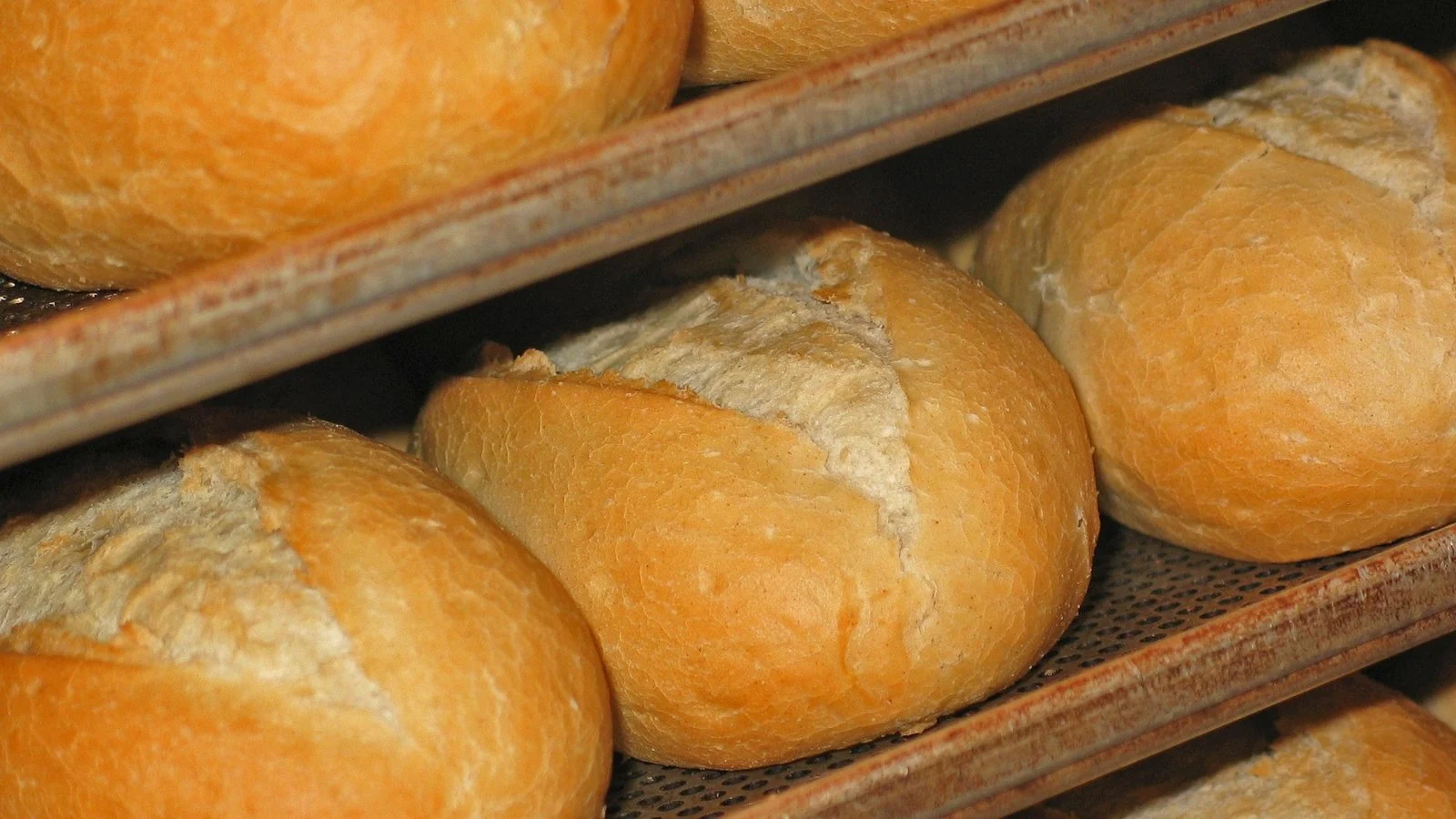
Colombia's beloved snack pandebono is a roll made without wheat flour — built instead from cassava (yuca) starch, cheese and egg, crisp outside and chewy within. Because it uses no wheat, it is naturally gluten-free. Here are its ingredients, the texture that defines it, and how it compares to Brazil's pão de queijo.
The ingredients, and why it's gluten-free
Instead of wheat flour, pandebono is built on cassava (yuca) starch. A traditional recipe combines fermented cassava starch (almidón de yuca agrio) with cornstarch (fécula de maíz), sugar, egg and a salty cheese (regionally, queso costeño).
Because there is no wheat, the result is naturally gluten-free — a useful point to highlight for anyone avoiding wheat. Some regional and home recipes also add a little corn flour (masarepa).
Texture, and where it comes from
The appeal is all in the contrast: a crisp shell and a stretchy, springy interior, courtesy of the cassava starch and cheese. It is best fresh from the oven, and in Colombia it’s eaten at breakfast, as a snack, or alongside hot chocolate.
It is associated with the Valle del Cauca region in south-western Colombia. The name is sometimes linked to a place or hacienda called ‘El Bono’, but records are limited, so we mention that only as something that is said, not established fact.
How it differs from pão de queijo
Cassava-and-cheese rolls bring to mind Brazil’s pão de queijo, and the two are close cousins with a few differences. Pão de queijo leans on cassava starch and is famously stretchy. Pandebono, by adding masarepa in some recipes, tends to come out a touch more bread-like. Think of them as a gluten-free family with cheese in common.