
🍞
How to Make Shokupan
(Japanese Milk Bread) with Tangzhong
(Japanese Milk Bread) with Tangzhong
The pillow-soft, milky white loaf you find in every Japanese bakery —
made at home with one simple trick: the tangzhong (yudane) method.
made at home with one simple trick: the tangzhong (yudane) method.
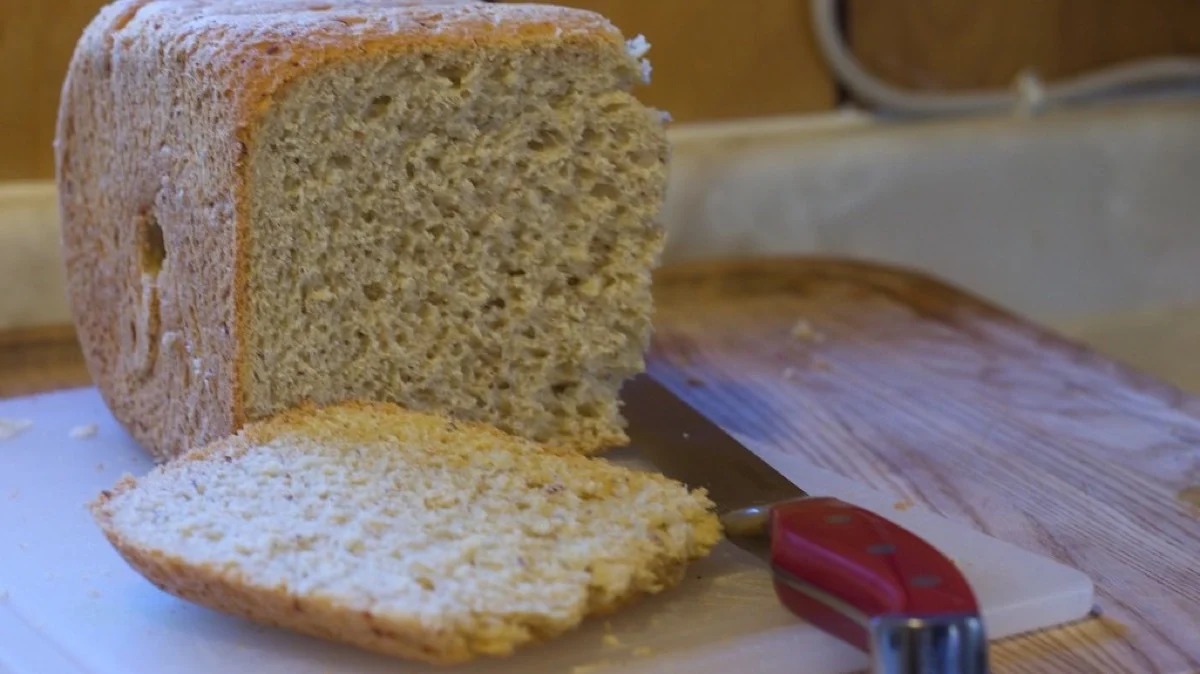
Shokupan (食パン) is Japan’s everyday white loaf — sold in thick, cloud-soft slices at
every neighborhood bakery and convenience store. What sets it apart from a Western sandwich
loaf is its texture: tender, springy, and faintly sweet, with a crumb so soft it almost melts.
The secret behind that texture is an old technique called tangzhong (in Japanese,
yudane / 湯種) — a small cooked flour-and-water paste that locks moisture into the dough.
This guide walks you through it step by step, with measurements in both grams and cups so you
can bake it anywhere in the world.
🔬
Why does tangzhong make bread so soft?
Why does tangzhong make bread so soft?
When you heat flour and water together past about 65°C (149°F), the starch
gelatinizes — the granules swell and trap several times their weight in water.
Folding this cooked paste back into the dough lets you add far more total moisture than a
normal dough could hold without turning sticky. More trapped water means a softer crumb,
a higher rise, and a loaf that stays fresh and fluffy for days instead of going stale
overnight. It’s the same principle behind the Japanese yudane method — a tiny bit of
kitchen science for a big payoff. 🍞
Ingredients
Makes one standard loaf (about a 9 × 4 in / 23 × 10 cm pan). A Pullman tin gives the classic square shape, but any loaf pan works.
🥣 Tangzhong (water roux)
- Bread flour20 g / 2½ Tbsp
- Water100 g / ⅓ cup + 1 Tbsp
🍞 Main dough
- Bread flour250 g / 2 cups
- Sugar30 g / 2½ Tbsp
- Salt5 g / 1 tsp
- Instant yeast5 g / 1½ tsp
- Whole milk, lukewarm120 g / ½ cup
- Egg, room temp1 large (~50 g)
- Unsalted butter, softened30 g / 2 Tbsp
- All of the cooled tangzhongfrom above
Step-by-Step Method
1
Make the tangzhong. Whisk the 20 g flour and 100 g water together in a small saucepan until smooth. Cook over medium-low heat, stirring constantly, until it thickens into a soft paste and lines drawn with the whisk briefly hold their shape — about 65°C (149°F). Scrape into a bowl, press plastic wrap onto the surface, and cool to room temperature.
2
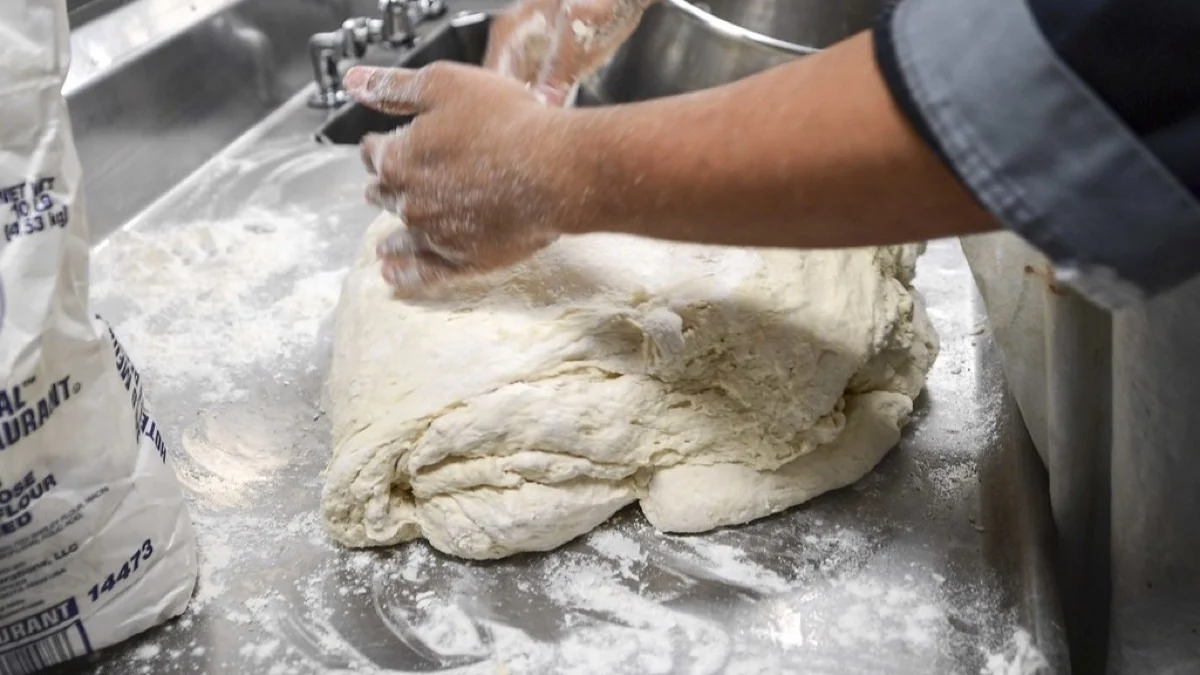
Combine the dough. In a large bowl (or stand-mixer bowl), whisk together the bread flour, sugar, salt, and yeast. Add the lukewarm milk, egg, and the cooled tangzhong. Mix until a shaggy dough forms, then knead 5 minutes until it comes together.
3
Add butter and knead. Work in the softened butter a little at a time. Knead 10–15 minutes (by hand or on medium speed) until the dough is smooth, elastic, and passes the windowpane test — a small piece stretches thin enough to see light through without tearing.
4
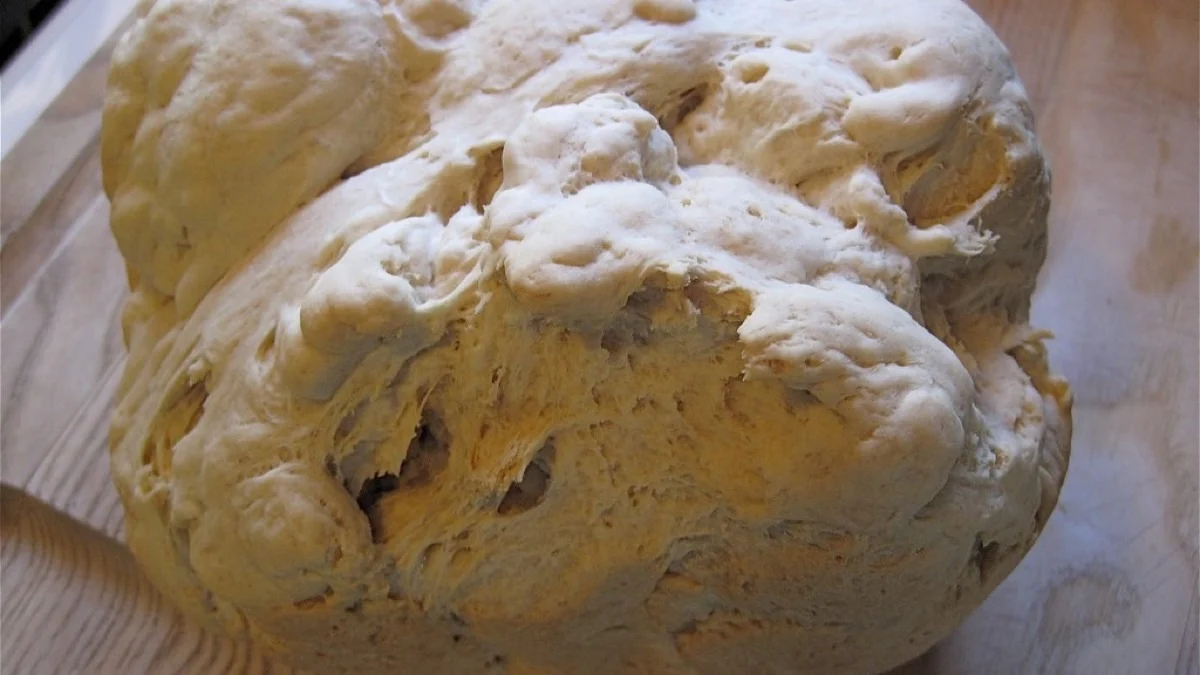
First rise. Shape into a ball, place in a lightly oiled bowl, cover, and let rise in a warm spot (about 26–28°C / 79–82°F) for 60–90 minutes, until doubled.
5
Divide and shape. Gently deflate and divide into 2–3 equal pieces. Roll each into an oval, then roll it up into a tight cylinder. Place the rolls seam-side down, side by side, into a greased loaf pan.
6
Second rise. Cover loosely and proof 45–60 minutes, until the dough crowns just below the rim (for a domed top) or to about 80% of the pan height (if using a Pullman lid for a square loaf).
7
Bake. Meanwhile heat the oven to 180°C (350°F). For a glossy crust, brush the top with a little milk or beaten egg. Bake 28–32 minutes until deep golden brown; the internal temperature should reach about 90°C (195°F).
8
Cool before slicing. Turn the loaf out of the pan onto a wire rack and cool completely. Slicing too early compresses the tender crumb — patience gives you those clean, cloud-soft slices.
🍞 Baker’s Tips & Troubleshooting
Dough too sticky? Resist adding flour. Enriched, high-hydration dough is meant to feel tacky — it firms up as the gluten develops and the butter is absorbed.
Loaf came out dense? Usually under-kneaded or under-proofed. Knead to a clear windowpane, and let both rises finish fully — cold kitchens slow them down.
No bread flour? All-purpose works but the crumb is a little less chewy. Bread flour’s higher protein gives shokupan its signature springiness.
Want it dairy-free? Swap the milk for water or a plant milk and the butter for a neutral oil. The tangzhong still keeps it soft.
Keeping it fresh: Store at room temperature in a sealed bag for 2–3 days, or slice and freeze. Tangzhong loaves stay soft far longer than ordinary white bread.
Frequently Asked Questions
What is the difference between tangzhong and yudane?
Both are cooked flour pastes that pre-gelatinize starch. Tangzhong is cooked on the stove (flour + water heated to ~65°C). Yudane is made by pouring boiling water over flour and resting it. The goal is the same: a softer, longer-lasting crumb.
Can I make shokupan without a stand mixer?
Yes. Hand-kneading takes about 15–20 minutes for this enriched dough. The slap-and-fold technique makes it easier to develop the gluten without adding extra flour.
Why is my shokupan not as white inside as bakery bread?
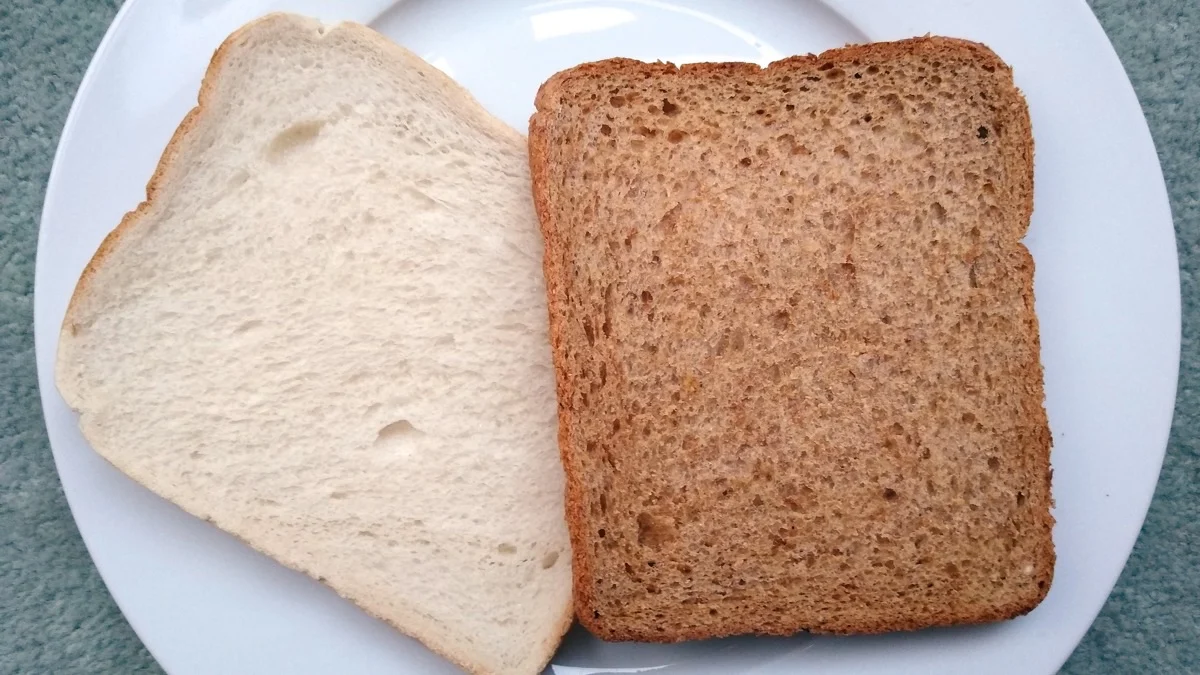
Commercial loaves are baked in lidded Pullman pans at moderate temperatures, which keeps the crust pale and the crumb white. At home, baking covered and avoiding over-browning gets you close.